
Tampa Bay Luxury Home Buyer's Guide
Buying a luxury home in Tampa Bay involves three things most buyers underestimate: the financing complexity of a jumbo loan, the deadline structure of the Florida FAR/BAR contract, and the unique inspection and insurance demands of waterfront, high-rise, and historic-district homes. This guide walks through the eight-step process Shane Vanderson uses with luxury buyers from pre-approval through closing.
The guide reflects current 2026 Tampa Bay conditions: a $832,750 conforming loan limit, a 30 to 45 day typical closing timeline, and a market where a significant share of luxury inventory trades before it ever hits the MLS. If you're relocating to Tampa Bay from out of state, or considering your first Florida purchase, the local rules differ enough from most other markets to warrant a careful read.
Step 1: Before You Search — Pre-Approval and Buyer Readiness
The Tampa Bay luxury market moves faster than most buyers expect. Strong listings get multiple offers in the first week. Without a current pre-approval letter from a lender experienced in Florida jumbo loans, your offer won't be taken seriously by listing agents.
Jumbo Loans in Tampa Bay: The 2026 Conforming Limit
For 2026, a Tampa Bay mortgage is classified as jumbo when the loan amount exceeds $832,750 in Hillsborough and Pinellas counties. Below that threshold, you're working with conforming Fannie Mae or Freddie Mac financing. Above it, you're in jumbo territory, where loan pricing, underwriting standards, and reserve requirements all change. For a $1.5M Palma Ceia home with 20% down, you'd be borrowing $1.2M — well into jumbo territory and worth at least three lender quotes.
Down Payment, Reserves, and Credit Score Expectations
Traditional jumbo loans expect 20% down. Specialized portfolio lenders in Tampa Bay now offer 10% down jumbo products for buyers with strong credit profiles, and a small number of programs allow as little as 5% down for highly qualified buyers. Across all jumbo programs, expect to document:
- Credit score: 700 minimum, with stronger terms at 720 to 760
- Reserves: 6 to 24 months of mortgage payments in liquid or semi-liquid accounts, depending on loan size and lender
- Debt-to-income ratio: Typically below 43%, with some portfolio lenders flexible up to 50% for strong asset profiles
Step 2: Defining Your Search Criteria
Tampa Bay's luxury micro-markets vary dramatically within a five-mile radius. The same $1.5M budget buys a restored 1920s bungalow in Hyde Park, a tear-down lot in Palma Ceia, a waterfront condo in Downtown St. Petersburg, or a renovated mid-century home in Clearwater. Defining your criteria sharply before you tour saves weeks.
Neighborhood Selection in South Tampa, Tampa, St. Petersburg, and Clearwater
Most Tampa Bay luxury buyers narrow their search to one of three primary zones:
- South Tampa — historic neighborhoods including Palma Ceia, Hyde Park, Davis Islands, Bayshore Beautiful, and Sunset Park. Walkable, urban-adjacent, dense inventory.
- St. Petersburg — Downtown, Snell Isle, Old Northeast, and the beach-adjacent communities. Strong waterfront inventory and a growing high-rise market.
- Clearwater & the Beaches — Clearwater Beach, Belleair, Sand Key. Gulf-front and intracoastal options at a different price tier than Hillsborough waterfront.
Waterfront vs. Inland Considerations
Tampa Bay waterfront properties command a 30 to 60 percent premium over comparable inland homes, but they also carry meaningful operational costs: mandatory flood insurance, seawall maintenance, dock permits, and elevated insurance premiums after recent storm seasons. Decide early whether you want true waterfront, water-view (no dock), or inland.
New Construction vs. Resale
The Tampa Bay luxury market includes a significant volume of new construction — both tear-down rebuilds on existing lots and ground-up custom homes in newer communities. High-rise condominium inventory is concentrated in Downtown Tampa (Water Street, Ritz-Carlton, Tampa Edition) and Downtown St. Petersburg. Each product type has its own contract, financing, and inspection considerations.
Step 3: Touring Homes and Building a Shortlist
Plan on two to four touring trips before you make an offer. The first trip is usually about orienting to neighborhoods and property types; the second narrows to a shortlist; the third is for second showings of finalists. Effective Tampa Bay luxury search strategies include scheduled off-market previews, builder-direct introductions for new construction, and pre-MLS access through your buyer's agent's network.
Step 4: Making an Offer in Tampa Bay
The FAR/BAR Contract
Florida residential transactions use the FAR/BAR contract — the Florida Realtors / Florida Bar Residential Contract for Sale and Purchase. Two versions exist: the standard contract (with a separate inspection-and-repair structure) and the AS-IS contract (used most often in Tampa Bay luxury and resale transactions). Your offer will specify price, earnest money deposit amount, financing terms, inspection period length, closing date, and any concessions or contingencies.
Common Contingencies
Standard Tampa Bay offers include three primary contingencies:
- Inspection contingency — typically 10 to 15 days from acceptance
- Financing contingency — typically 30 days, releases when the lender issues a loan commitment
- Appraisal contingency — the home must appraise at or above the contract price
In competitive multiple-offer situations, buyers sometimes waive one or more contingencies to strengthen the offer. This is a meaningful risk decision and worth a direct conversation with your buyer's agent before the offer goes in.
Escalation Clauses and Multiple-Offer Strategy
For listings drawing multiple offers, an escalation clause automatically increases your offer by a stated increment over any competing offer, up to a maximum. Florida agents have mixed feelings about escalation clauses — they can help win a property, but they also reveal your ceiling to the listing agent. The right approach depends on the property and the competition.
Step 5: The Inspection Period
Normal Inspection Timeline (10–15 Days)
The standard Florida inspection period runs 10 to 15 days from contract acceptance, though it's negotiable. During this window, the buyer can cancel the contract and receive a full refund of the earnest money deposit if inspections reveal unacceptable defects. After the inspection period closes, the deposit becomes at-risk under the AS-IS contract.
Specialty Inspections for Waterfront and Older Homes
Tampa Bay luxury homes often warrant inspections beyond the standard general home inspection:
- Wind mitigation inspection — required for most Florida insurance discounts
- Four-point inspection — required by most insurers for homes over 30 years old
(roof, electrical, plumbing, HVAC)
- Seawall and dock inspection — for waterfront properties
- Elevation certificate — for flood-zone properties; affects insurance pricing
- Roof inspection — particularly important after recent hurricane seasons
- Pool and spa inspection — separate from the general inspection
- Termite (WDO) inspection — required by some lenders
Step 6: Appraisal and Financing Approval
Once the inspection period closes, the lender orders an independent appraisal. In Tampa Bay, appraisals typically complete in 7 to 21 days. The appraiser visits the property and compares it against recent comparable sales to confirm the home's market value supports the purchase price.
After the appraisal and documentation review, the loan goes to underwriting. Underwriting takes 3 to 7 business days for clean files and longer for files requiring additional documentation. When the underwriter clears all conditions, the lender issues a "Clear to Close.
Step 7: Title, Survey, and Insurance
Flood Insurance in Tampa Bay
Federally backed mortgage lenders require flood insurance for any property in a FEMA Special Flood Hazard Area (Zone AE, A, or V). Many Tampa Bay properties — particularly waterfront, low-elevation, and Bayshore-adjacent homes — fall into these zones. Even cash buyers in flood-zone properties are strongly encouraged to carry flood insurance.
Wind Mitigation and Four-Point Inspections
Florida insurers use wind mitigation reports to determine hurricane-related premium discounts. A favorable report on a Tampa Bay home can reduce annual premiums by thousands of dollars. The four-point inspection (for homes over 30 years old) confirms the condition of the roof, electrical, plumbing, and HVAC systems and is required by most insurers before they'll bind a policy.
Step 8: Closing the Transaction
The Closing Disclosure and the 3-Day Rule
Under the CFPB's TILA-RESPA rule, you receive a Closing Disclosure (CD) at least three business days before closing. The CD details every cost, credit, and term of your loan. Use those three days to compare every line against your original Loan Estimate and confirm any discrepancies with your lender and agent.
Wire Fraud Prevention
Wire fraud is a real, recurring problem in Florida luxury closings. Criminals impersonate title companies and send fake wire instructions in the days leading up to closing. Always:
Confirm wire instructions verbally with the title company using a phone number from their
official website, not from any email</li>
- Treat any last-minute changes to wire instructions as suspect until you've re-verified them by phone
Closing Day and Possession
Most Tampa Bay closings happen at a title company office, though remote and hybrid closings are now common. You'll sign the loan documents, the title transfer documents, and any required Florida-specific disclosures. Possession typically transfers at closing unless otherwise stated.
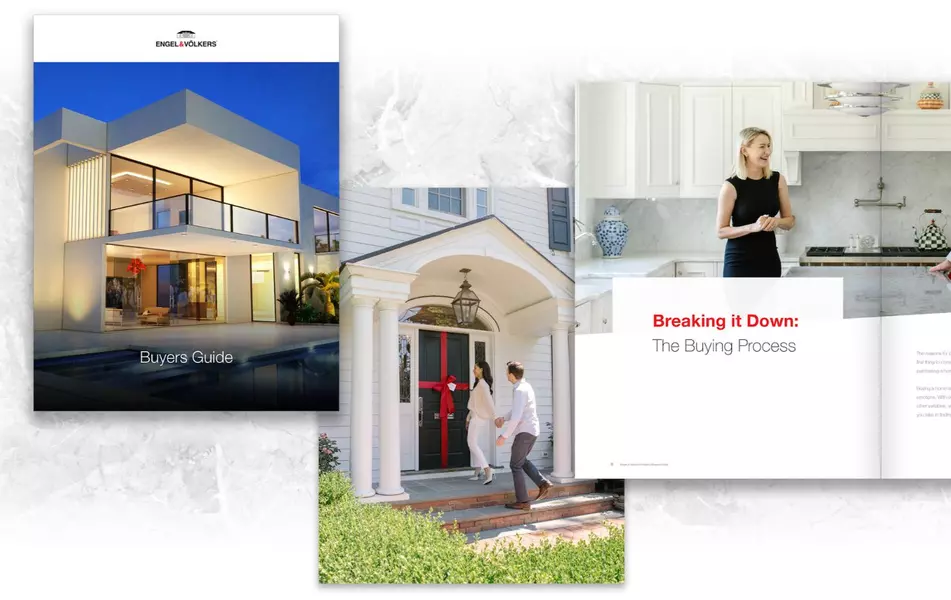
Ready to Start Your Tampa Bay Home Search?
Every step above goes smoother with representation that's done it before. Shane Vanderson, License Partner and Broker Associate with Engel & Völkers South Tampa, guides luxury and waterfront buyers through this exact process — from jumbo pre-approval strategy to the final wire.
By checking this box, I agree by electronic signature to the Electronic Disclosure Consent Agreement; to receive recurring marketing communication from or on behalf of Shane Vanderson, including auto-dialed calls, texts, and artificial/prerecorded voice messages (message frequency varies; data rates may apply; reply "STOP" to opt-out of texts or "HELP" for assistance); and to the Terms of Service and Privacy Policy of this website. Consent not required to make a purchase. I understand that I can call to obtain direct assistance.
click here to download the file manually.
Tampa Bay Home Buying FAQs

How much do I need for a down payment on a luxury home in Tampa Bay?
Jumbo financing in Tampa Bay typically calls for 10–20 percent down, with stronger reserve and credit requirements than conforming loans — many lenders want six to twelve months of reserves for larger loan amounts. Cash and large-down offers carry negotiating weight in the luxury segment, so the financing structure is part of offer strategy, not just qualification. Other Loan products such as Doctor loans may not require any down payment at all. It's best to consult a licensed loan officer or mortgage broker.
What is a jumbo loan and when do I need one in Tampa Bay?
A jumbo loan is any mortgage above the conforming loan limit, which changes annually. Much of Tampa Bay's luxury and waterfront inventory prices above that line, so jumbo underwriting is the default financing conversation for these purchases.
What is the FAR/BAR contract?
The FAR/BAR contract is Florida's standard residential purchase agreement, jointly produced by Florida Realtors and the Florida Bar. It comes in standard and AS-IS versions — the AS-IS form, common in Tampa Bay, gives the buyer a broad inspection-period right to cancel while limiting repair obligations on the seller. Which version and which terms to use is a negotiation decision, not a formality.
How long is the inspection period on a Florida home purchase?
The inspection period is negotiated in the contract — 7 to 15 days is typical in Tampa Bay. Within it, buyers complete the general inspection plus any specialty inspections, review findings, and either proceed, renegotiate, or cancel under the contract's terms. Waterfront and older homes usually need the longer end of the range.
What inspections does a Tampa Bay waterfront home need?
Beyond the general inspection, waterfront purchases commonly add seawall and dock inspections, and older homes add four-point inspections (roof, electrical, plumbing, HVAC) that insurers require. A wind mitigation inspection is standard for essentially every Tampa Bay purchase — it documents the features that reduce windstorm premiums.
How does flood insurance work for Tampa Bay buyers?
Flood insurance is required by lenders for homes in FEMA special flood hazard areas — which include much of Tampa Bay's waterfront — and priced by elevation, construction, and claims history rather than by list price. Our waterfront insurance guide covers the full picture; getting an elevation certificate and a real quote during the inspection period keeps the surprise out of closing.
What is the closing disclosure 3-day rule?
Federal rules require the lender to deliver the Closing Disclosure — the final statement of loan terms and closing costs — at least three business days before closing. Certain changes restart the clock, so late renegotiations can move the closing date. Reviewing the disclosure against the loan estimate immediately on receipt protects the timeline.
How do I avoid wire fraud when closing on a home?
Verify wire instructions by phone using a number you sourced independently — never one from an email — before sending funds, and treat any last-minute change to instructions as fraud until proven otherwise. Title companies do not change wiring details by email at the eleventh hour. It is the single most important habit in the entire closing process.