
South Tampa Waterfront Homes: Buying, Selling, Docks, and Flood Zones
SOUTH TAMPA WATERFRONT LISTINGS
- 1/54 54
 4 Beds 4 Baths 2,804 SqFt$1,299,900Open Sat 11AM-2PM
 - 1/76 76
 5 Beds 6 Baths 5,006 SqFt$3,500,000Open Fri 3PM-5PM
5811 MARINER ST, Tampa, FL 33609
Listed by Mary Kelly SMITH & ASSOCIATES REAL ESTATE
Single Family Home

- 1/27 27
 3 Beds 2 Baths 1,785 SqFt$774,999Open Sat 12PM-3PM
2117 S WEST SHORE BLVD, Tampa, FL 33629
Listed by Teresita Gonzalez LANTES REAL ESTATE LLC
Single Family Home
- 1/100 100
 5 Beds 6 Baths 4,944 SqFt$3,189,000Open Sat 11AM-2PM
2623 S PARKVIEW ST, Tampa, FL 33629
Listed by Chris Remmert CENTURY 21 EXECUTIVE TEAM
Single Family Home
- 1/66 66
 5 Beds 8 Baths 7,828 SqFt$6,995,000New
58 MARTINIQUE AVE #1/2, Tampa, FL 33606
Listed by Edward Gunning, Jr SMITH & ASSOCIATES REAL ESTATE
Single Family Home
- 1/41 41
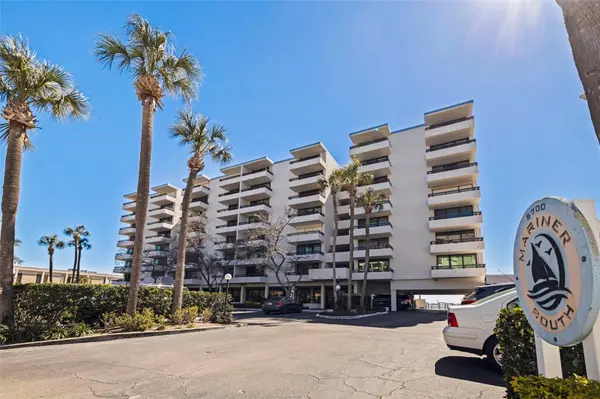 2 Beds 2 Baths 1,424 SqFt$535,000New
 - 1/45 45
 6 Beds 6 Baths 6,399 SqFt$7,200,000Active
5013 W SAN MIGUEL ST, Tampa, FL 33629
Listed by Dennis Paull BHHS FLORIDA PROPERTIES GROUP
Single Family Home
- 1/43 43
 2 Beds 3 Baths 1,753 SqFt$460,000Active
 - 1/60 60
 4 Beds 6 Baths 5,765 SqFt$3,950,000Active
4910 CARRANZA CT, Tampa, FL 33616
Listed by Jennifer Zales COLDWELL BANKER REALTY
Single Family Home
- 1/50 50
 4 Beds 5 Baths 4,406 SqFt$5,250,000Active
 - 1/4 4
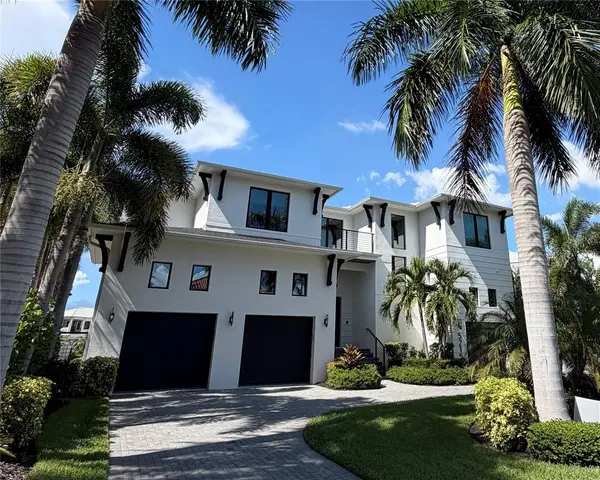 5 Beds 6 Baths 5,958 SqFt$7,250,000Active
5215 W NEPTUNE WAY, Tampa, FL 33609
Listed by Robbie Henderson, III BELL HENDERSON REAL ESTATE
Single Family Home
- 1/50 50
 3 Beds 4 Baths 2,296 SqFt$1,000,000Active
South Tampa Waterfront Market Trends
Market Trends are calculated using MLS® sold listing data

| Neighborhood | Waterfront Types | Private Docks | Marina / Slips | Fixed Bridges to Bay | HOA / Security | Home Types | Access & Notes |
|---|---|---|---|---|---|---|---|
| Davis Islands | Open Bay Canal | Common (permit req.) | DI Yacht Club nearby | Varies by canal; confirm clearance/mast height. | No master HOA; municipal; local civic assoc. | Luxury SFH estates; some townhomes/condos. | Quick access to Hillsborough Bay; mix of open-water exposure and protected canals; many properties in AE/VE—verify flood zone & elevation. |
| Culbreath Isles | Deep-water Canal | Common (permit req.) | Nearby public marinas | Generally none from canals; verify route/soundings. | HOA; guard-gated. | Luxury single-family only. | Fast run to Old Tampa Bay; wide canals, estate lots, strong resale desirability; confirm seawall age/condition. |
| Beach Park | Canal Select Open Bay | Common (permit req.) | Nearby public marinas | Some canals have fixed bridges; confirm clearance. | Voluntary HOA; not gated. | Luxury SFH; mix of new builds and legacy homes. | Convenient Westshore location; canal protection with variable depths/widths—verify draft and turning basin near lot. |
| Sunset Park | Canal | Common (permit req.) | Nearby public marinas | Multiple fixed bridges on certain canals; verify. | No master HOA (generally); not gated. | SFH mix: 50s–60s ranch & new luxury builds. | Protected canals; due diligence on bridge height, canal width, and seawall condition is essential. |
| Harbour Island | Seawall / Channel City Marina nearby | Limited / uncommon | Yes – nearby marina | Fixed bridges en route; confirm mast height. | Master HOA; controlled access. | Condos & townhomes; limited SFH. | Urban lifestyle by downtown/Seddon Channel; great walkability; boaters typically use marina slips rather than backyard docks. |
| Westshore Yacht Club | Bayfront Community Private Marina | No backyard docks | Yes – on-site marina | None from marina route (verify draft & channel). | HOA; guard-gated; club amenities. | Luxury SFH, townhomes, condo tower. | Resort-style living with slip ownership/lease options; strong amenity package; confirm slip dimensions & HOA rules. |
| Westshore Marina District | Bayfront District Deep-water Marina | No backyard docks | Yes – on-site marina | None from marina route (verify draft & channel). | Condo/HOAs; building security; not guard-gated district-wide. | Luxury condos (e.g., tower residences), townhomes. | Modern waterfront lifestyle; slip access via marina; confirm building/HOA rules for storage, lifts, and pets. |
Notes: Information is general and subject to change. Always confirm flood zone, insurance requirements, permitting (City of Tampa/EPC/DEP), bridge clearance, draft/depth, and seawall/dock condition for the specific property. This content is provided for educational purposes and complies with Fair Housing guidelines.
How to Sell a Waterfront Home in South Tampa
Selling a waterfront home in South Tampa follows a different sequence than selling an inland home. Before a buyer will write a strong offer, they need answers on flood zone and elevation, seawall and dock condition, permit history, insurance cost, and boating access. Sellers who assemble that documentation before listing typically negotiate from a stronger position than sellers who wait for a buyer's inspector to raise the questions first.
Below is the process I use with waterfront sellers across Davis Islands, Beach Park, Sunset Park, Culbreath Isles, Harbour Island, and the Westshore waterfront communities.
Step 1: Build the waterfront due diligence packet before you list
Waterfront buyers in this market are underwriting two assets at once — the house and the water access. Every unanswered question becomes a negotiating point during the inspection period. Assemble these documents up front:
- Flood zone determination and elevation certificate. FEMA's Risk Rating 2.0 no longer uses elevation certificates to price National Flood Insurance Program policies, but the document still matters for floodplain-management determinations, private-market carriers, and buyer confidence. If you have one, produce it. If you don't, obtaining one before listing is usually worth the cost.
- Current insurance declarations and loss history. Buyers and their lenders will ask what the property actually costs to insure. A real number beats a Zillow estimate.
- Permits for the dock, lift, and seawall. Closed permits for marine structures answer the single most expensive question on a waterfront property.
- Seawall documentation. Installation or replacement date, any engineering reports, and records of repairs or cap work.
- Survey, including the mean high water line and any submerged land lease.
- Water depth at the dock at mean low tide, and bridge clearances on the route to open bay. These determine which boats fit your property, which determines which buyers can use it.
Step 2: Understand what Florida now requires you to disclose
Florida Statute § 689.302, created by House Bill 1049 and effective October 1, 2024, requires sellers of residential property to provide a written flood disclosure to the buyer at or before the sales contract is signed. Senate Bill 948 expanded the requirement effective October 1, 2025.
As amended, the disclosure covers whether you have knowledge of flooding that damaged the property during your ownership, whether you have filed a flood-damage insurance claim, and whether you have received any assistance for flood damage. The disclosure is a separate written document from the purchase contract, and it applies to all residential sales, including condominiums and vacant residential land.
This is not a place to improvise. Gather your records early, complete the form accurately, and have your closing attorney or title company review it. Accurate disclosure protects you after closing far more than it costs you during negotiation.
Step 3: Price against waterfront comparables, not price per square foot
Price per square foot is close to meaningless on waterfront property. Two homes on the same street with identical square footage can carry different values because one has a deep-water dock with a 16,000-pound lift and an unobstructed run to Hillsborough Bay, and the other sits on a canal with a fixed bridge that caps mast height.
A defensible waterfront valuation adjusts for the variables that actually move price in this segment:
- Frontage type and linear feet of water frontage
- Open-bay versus protected canal, and view corridor
- Water depth at mean low tide and channel access
- Fixed bridges and clearance on the route to open water
- Dock, lift, and seawall condition and remaining useful life
- Elevation and flood zone relative to the immediate competition
- Whether the improvement or the land carries the value — many South Tampa waterfront sales are effectively lot sales
That last point matters more than most sellers expect. If the highest and best use of your site is a new build, the buyer pool, the marketing, and the price are all different than if the existing home is the product. Determining which of those you're selling is one of the first things to settle.
To start with a data-backed range for your property, request a home valuation.
Step 4: Resolve the seawall and dock questions before a buyer's inspector does
Marine structures are the most common source of late-stage renegotiation on waterfront transactions. A seawall nearing the end of its service life or a dock with no permit record on file will surface during inspections, and it will surface at the moment you have the least leverage.
Getting ahead of it means commissioning a marine or seawall inspection before listing, pricing any known deficiency into your list price deliberately rather than conceding it later, and confirming what permits exist. Depending on the scope of any work, dock, lift, and seawall projects in this area may require review by the City of Tampa, the Hillsborough County Environmental Protection Commission, the Florida Department of Environmental Protection, and in some cases the U.S. Army Corps of Engineers. Requirements vary by address and by project, so verify with the relevant agencies and a licensed marine contractor for your specific property.
Step 5: Know whether the 50% rule affects your buyer's plans
Many South Tampa waterfront homes sit in Special Flood Hazard Areas — most commonly AE, Coastal A, or VE zones. In those zones, when the cost of repairs or improvements equals or exceeds 50 percent of the structure's market value before the work begins, the project is treated as a substantial improvement, and the structure generally must be brought into compliance with current Florida Building Code flood-resistant construction standards. That can mean elevating the home.
For a seller, this is a buyer-behavior issue rather than a compliance issue. A buyer planning a significant renovation will run this calculation, and the answer shapes what they'll pay. Knowing where your property stands lets you either market to buyers whose plans fit within the threshold or position the property honestly to the buyer pool that intends to rebuild. The City of Tampa's Construction Services Division and the Hillsborough County 50% improvement calculator are the sources to verify against for your specific address.
Step 6: Market to the buyer who is actually shopping for water
Waterfront buyers in South Tampa are not a general audience. A meaningful share come from out of state and are evaluating Tampa Bay against other coastal markets, and many are buying the boating access as much as the house.
Marketing that reflects that means aerial and on-water photography that shows the dock, the view corridor, and the run to open bay, not just interiors. It means listing copy that names the specific numbers a boater needs — frontage, depth, lift capacity, bridge clearance. It means distribution through the Engel & Völkers Yachting network and the global Engel & Völkers referral system, which reaches buyers already shopping the waterfront category. And it means being ready to answer flood, insurance, and permit questions in the first conversation rather than the third.
What the timeline usually looks like
| Stage | Typical window | What happens |
|---|---|---|
| Pre-listing preparation | 3 to 6 weeks | Due diligence packet assembled, seawall and dock inspected, valuation completed, disclosures prepared |
| Preparation and media | 2 to 4 weeks | Repairs or staging, aerial and on-water photography, video, listing copy |
| Active marketing | Varies by price tier and season | MLS, syndication, Engel & Völkers network, targeted digital campaigns, showings |
| Under contract | Typically 30 to 60 days | Inspections including seawall and dock, appraisal, insurance binding, title, closing |
Timelines depend on price point, condition, season, and market conditions at the time of listing. Waterfront transactions carry inspection and insurance steps that inland sales do not, so build in room.
For the broader process that applies to any South Tampa sale, see the Seller's Guide and Sell With Shane.
This content is general information for South Tampa waterfront sellers and is not legal, tax, insurance, or engineering advice. Flood zone, permitting, insurance, and building code requirements vary by address and change over time. Verify all details for your specific property with the City of Tampa, Hillsborough County, your insurance professional, and qualified licensed contractors.
FAQ
Do I need flood insurance for a South Tampa waterfront home?
If a South Tampa waterfront property is located in a FEMA Special Flood Hazard Area and you use a federally regulated or insured mortgage, your lender will typically require flood insurance. The exact coverage requirements and premiums depend on the property’s specific flood zone, elevation, construction, and your loan program, so it is wise to confirm these details early in your search.
How can I check a property’s flood zone in South Tampa?
Can I build or replace a dock or seawall?
Are there South Tampa waterfront condos with marina access?
What inspections are important for South Tampa waterfront properties?
How walkable are South Tampa waterfront neighborhoods?
Are South Tampa waterfront homes a good investment?
What are the main South Tampa waterfront neighborhoods?
What is the difference between open‑bay and canal waterfront in South Tampa?
Is a marina community or a private dock better for me?
WORK WITH SHANE
Ready to buy or sell on the South Tampa waterfront? Contact Shane Vanderson, Broker Associate with Engel & Völkers South Tampa, for representation that treats water access as a second asset to underwrite — dock, seawall, clearance, and flood exposure alongside the house itself.