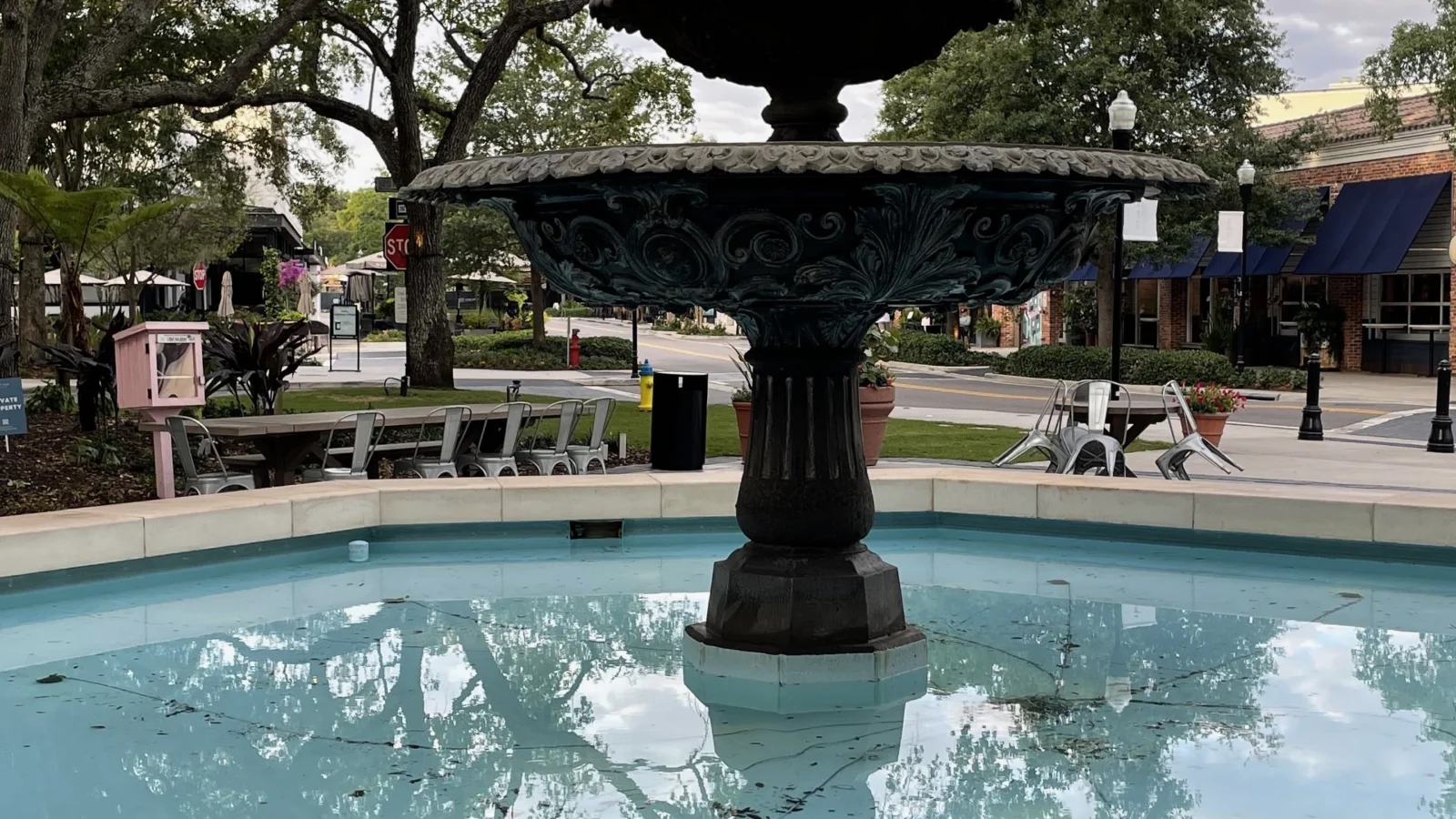
Hyde Park is South Tampa's historic district just south of Kennedy Boulevard and west of downtown, known for brick streets, early-1900s bungalows and revival-style homes, and the shops and restaurants of Hyde Park Village. It is the most walkable neighborhood in South Tampa.
Hyde Park is one of the neighborhoods in South Tampa.
Hyde Park is where Tampa’s streetcar-era residential history is best preserved. The National Register historic district runs from Bayshore Boulevard west toward Howard Avenue, with Hyde Park Village at its center and downtown, the University of Tampa, and the Riverwalk within a short walk or bike ride. Homes range from original 1910s bungalows to fully renovated two-story revivals and a growing number of condominiums along Bayshore and South Howard.
Living in Hyde Park
Daily life centers on Hyde Park Village, with its restaurants, boutiques, a cinema, and a Sunday market, and on Bayshore Boulevard’s waterfront sidewalk a few blocks east. South Howard Avenue (SoHo) adds a second dining and nightlife strip along the neighborhood’s western edge. Kate Jackson Park and the Bayshore linear park are the main green spaces, and downtown Tampa is five to ten minutes by car or a short ride on the Bayshore bike lanes. Tampa International Airport is typically 15 minutes.
The Hyde Park market
Pricing in Hyde Park is driven by historic-district status, lot width, and condition. Homes inside the local historic district are subject to Architectural Review Commission approval for exterior changes, which protects streetscapes and limits what can be replaced; buyers pay a premium for well-executed renovations that already have approvals behind them. Proximity to Hyde Park Village and Bayshore, brick streets, and off-street parking all add value. The key-facts table above shows current Hyde Park figures from Stellar MLS.
Boundaries
Roughly Kennedy Boulevard to the north, Bayshore Boulevard and Hillsborough Bay to the east, Howard Avenue to the west, and the Crosstown Expressway and Bay to Bay Boulevard area to the south. Hyde Park Village sits at Swann Avenue and Dakota Avenue. The National Register historic district covers most of the neighborhood east of Howard.
Homes in Hyde Park
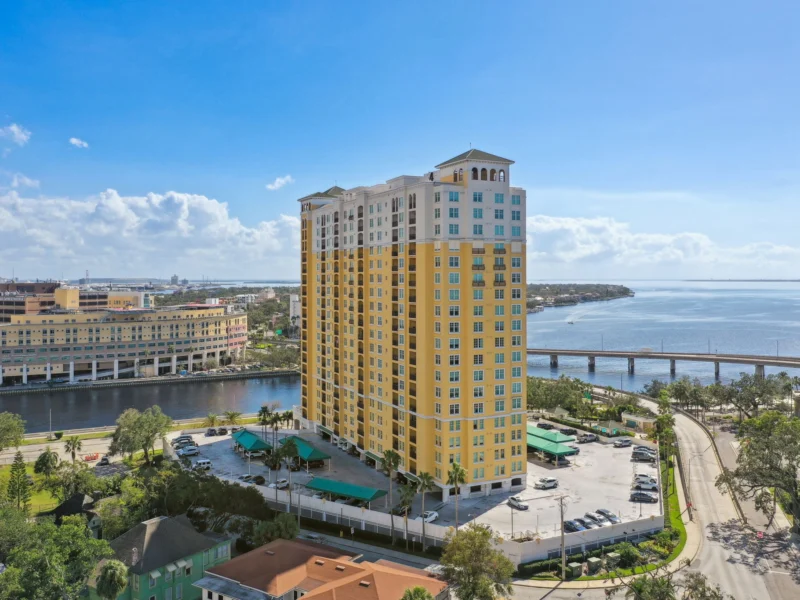
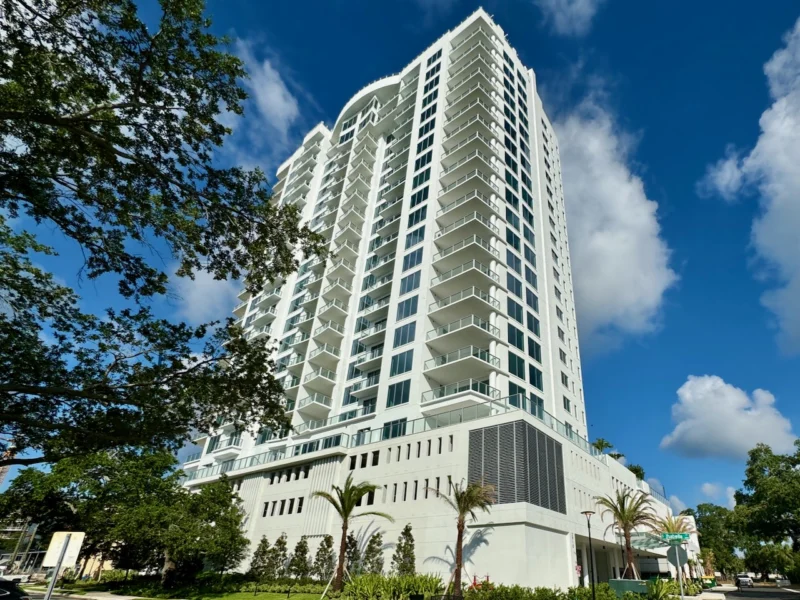
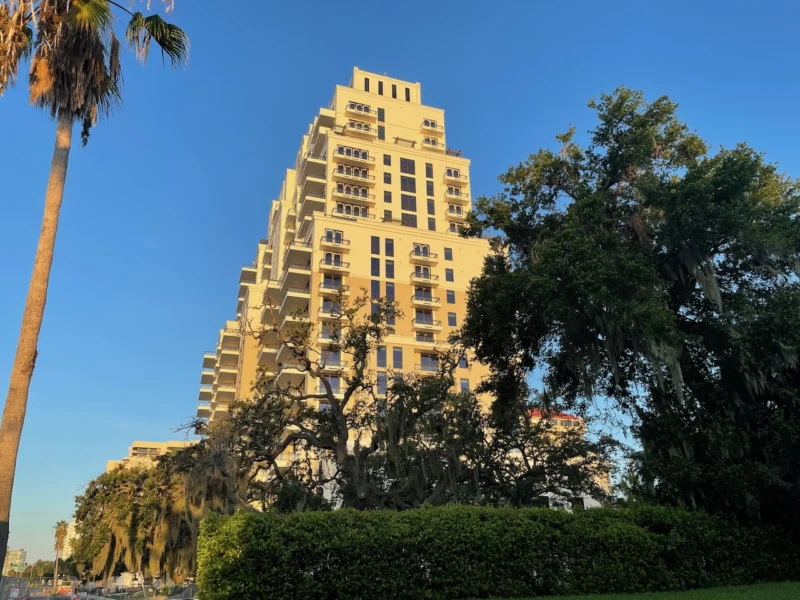
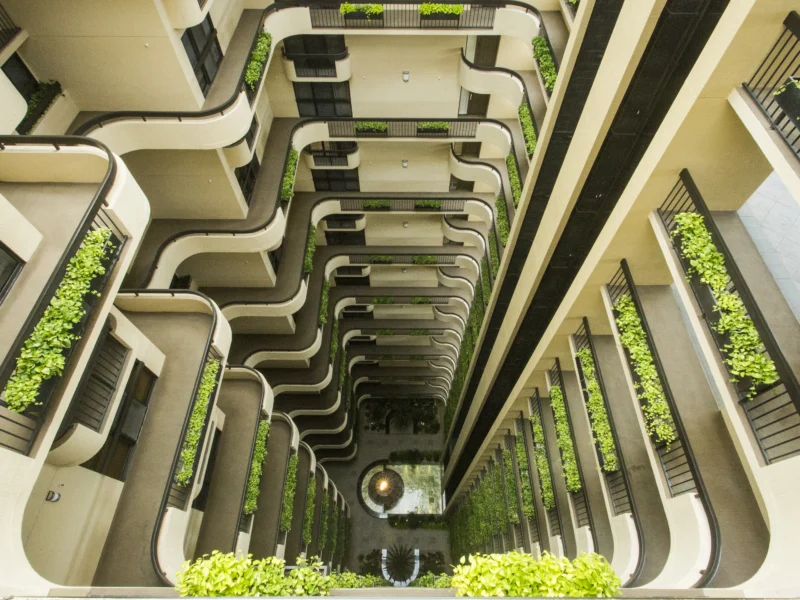
Predominantly 1910s to 1930s bungalows, Craftsman, Colonial Revival, Mediterranean Revival, and Prairie-style homes on 50- to 60-foot lots, many on original brick streets. A share of homes have been fully renovated or expanded to the rear while keeping historic facades. Condominiums and townhomes cluster along Bayshore Boulevard, South Howard Avenue, and the Village, including newer buildings such as Hyde Park House on Bayshore.
Nearby amenities
Hyde Park Village; Bayshore Boulevard waterfront sidewalk; South Howard Avenue dining; Kate Jackson Park; the University of Tampa and Plant Hall; downtown Tampa and the Riverwalk; Tampa General Hospital on adjacent Davis Islands; Tampa International Airport, typically 15 minutes by car.
Newest listings in Hyde Park
Hyde Park at a glance
Frequently asked questions
Is Hyde Park a historic district?
Yes. Most of Hyde Park is a National Register historic district, and the City of Tampa’s local historic district review applies to exterior changes on contributing structures. Buyers planning renovations should confirm a property’s status with the City of Tampa Architectural Review Commission before pricing in changes.
How walkable is Hyde Park?
It is the most walkable neighborhood in South Tampa. Hyde Park Village, South Howard Avenue, and Bayshore Boulevard are within a few blocks of most homes, and downtown is reachable on foot or by bike along Bayshore.
What types of homes are in Hyde Park?
Mainly early-20th-century bungalows and revival-style homes on narrow lots, many renovated, plus condominiums and townhomes along Bayshore Boulevard and near the Village. New single-family construction is limited by the historic district.
Where do the Hyde Park market figures on this page come from?
The key-facts table is pulled from Stellar MLS and shows the month it was updated. For a specific home, condition and historic-district status matter enough that a direct valuation is the only reliable guide.