Brandon is an unincorporated community in Hillsborough County, about 11 miles east of downtown Tampa along State Road 60 and Interstate 75. John Brandon settled the area in 1857, and the town was platted and named for him in 1890. It grew into a commuter suburb after the 1950s, and the 2020 census counted 114,626 residents in the Brandon census-designated place. Most homes are in established subdivisions built from the 1960s through the 1990s.
Brandon is an unincorporated community and census-designated place in Hillsborough County, Florida, about 11 miles east of downtown Tampa along State Road 60 and Interstate 75. John Brandon settled the area in 1857, and the town was platted and named for him in 1890. The 2020 census counted 114,626 residents, up from 103,483 in 2010. Most of its homes are in established subdivisions built from the 1960s through the 1990s. Shane Vanderson works with buyers and sellers in Brandon from Engel & Völkers South Tampa.
Living in Brandon
John Brandon arrived at Fort Brooke, now Tampa, in 1857, and the next year he bought 40 acres in a settlement then called New Hope. When the Florida Central and Peninsular Railroad came through in 1890, a 40-acre townsite was platted near the depot on Moon Avenue and named for him. Brandon stayed small until 1956, when Hopewell Road, now State Road 60, was connected to Adamo Drive and made the drive to Tampa practical. Interstate 75 opened through the area in 1986, and the population grew from about 1,700 in 1960 to 114,626 in 2020. State Road 60, also called Brandon Boulevard, is the main commercial road. Brandon Exchange, the regional mall near the I-75 and SR 60 interchange, opened in 1995 as Brandon Town Center and took its current name in 2024. HCA Florida Brandon Hospital, the Brandon campus of Hillsborough Community College, the Brandon Regional Library, and the Brandon Sports and Aquatic Center are all within a few miles of the mall. The Selmon Expressway (I-75 Exit 256) and SR 60 (Exit 257) connect Brandon to downtown Tampa.
The Brandon market
Brandon is an established suburb, not a new-construction market. The oldest streets, around Moon Avenue, Kings Avenue, and Parsons Avenue near the original townsite, have homes from the 1950s and 1960s, when the first commuter subdivisions were built. Most of the housing south of SR 60 dates from the 1980s and 1990s, in deed-restricted subdivisions such as Providence Lakes, many of them built around stormwater lakes. Because most homes are 30 to 60 years old, value follows condition: roof age and type, which drive insurance cost, updated HVAC, plumbing, and electrical systems, lot size, and whether the home backs to a lake or a conservation area. Brandon is inland, but lakes and creeks carry mapped FEMA flood zones, so check the flood zone for each address. The Brandon Community Plan guides county land-use decisions, and in some areas it calls for low-density single-family homes on lots of at least half an acre, so check the plan designation near any home with open land next to it. Buyers who want newer construction usually compare Riverview to the south. For an example of how a Brandon sale gets from contract to closing, read An Offer Isn’t a Sale.
Boundaries
The Brandon census-designated place covers about 35 square miles in eastern Hillsborough County, and mailing addresses use ZIP 33510 or 33511. U.S. 301 and Palm River-Clair Mel are to the west, Valrico is to the east, Riverview and Bloomingdale are to the south, and East Lake-Orient Park, Mango, and Seffner are to the north. Interstate 75 runs north and south through the western part; State Road 60 (Brandon Boulevard) and the Selmon Expressway run east and west. Interstate 4 passes about 4 miles north of central Brandon.
Homes in Brandon
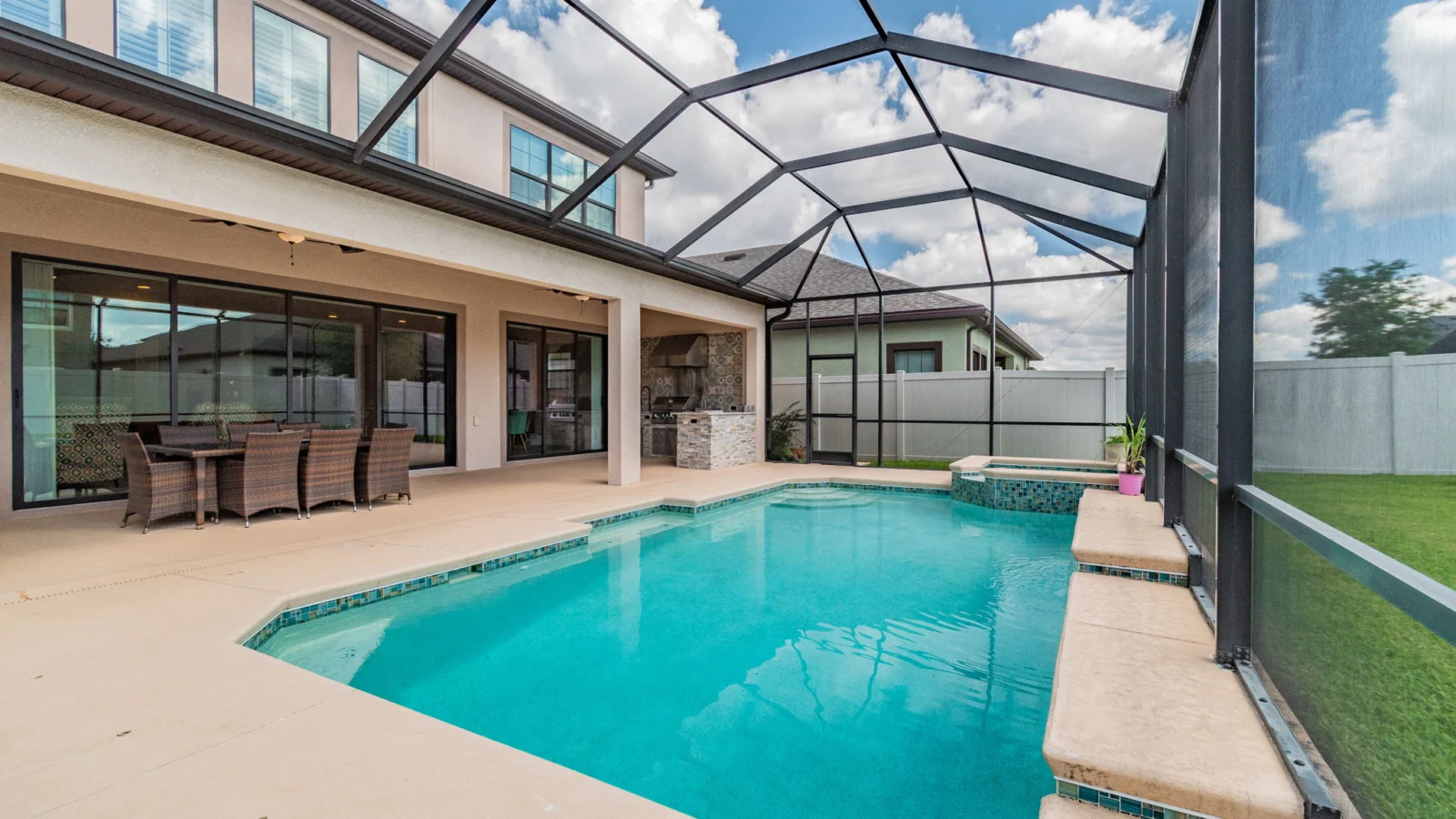
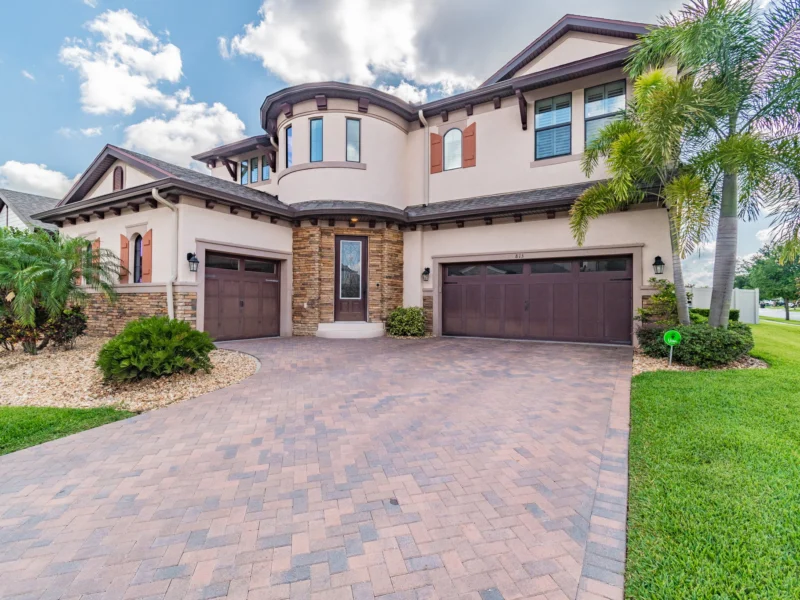
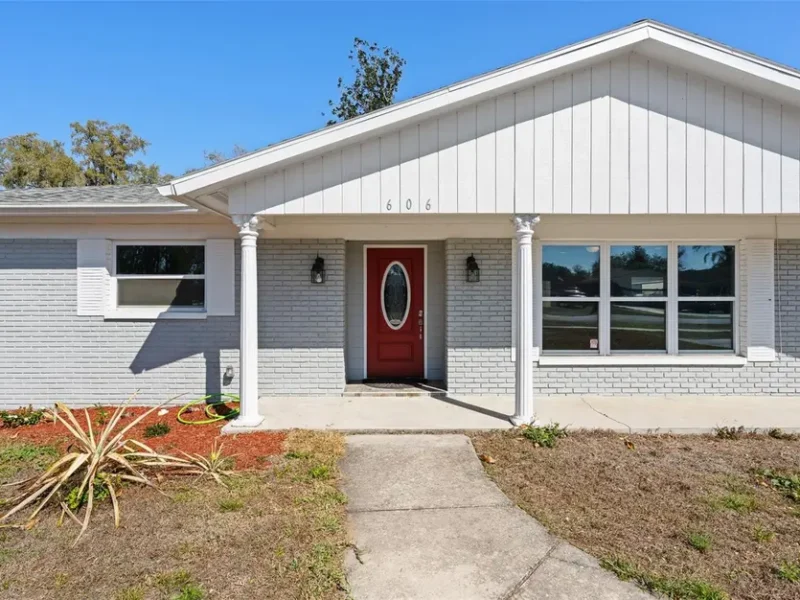
Mostly established single-family homes. The oldest streets near the original townsite, around Moon Avenue, Kings Avenue, and Parsons Avenue, have homes from the 1950s and 1960s. Most of the housing south of State Road 60 was built in the 1980s and 1990s in deed-restricted subdivisions such as Providence Lakes, Brandon Hills, and Kensington Estates, many around stormwater lakes. Townhome and condominium communities add lower-maintenance options. New construction is limited to infill lots and small subdivisions, and some areas carry half-acre minimum lot sizes under the Brandon Community Plan.
Nearby amenities
Brandon Exchange regional mall at 459 Brandon Town Center Drive; HCA Florida Brandon Hospital at 119 Oakfield Drive; the Brandon Regional Library and Center Place Fine Arts and Civic Association; the Brandon Sports and Aquatic Center at 405 Beverly Boulevard; the Brandon campus of Hillsborough Community College; county sports complexes including J. C. Handly on South Kings Avenue and Clayton on South Parsons Avenue; Alafia River State Park and Lithia Springs Park to the southeast; Interstate 75, the Selmon Expressway, and Interstate 4; Downtown Tampa, typically 20 to 30 minutes; Tampa International Airport, typically 25 to 35 minutes; MacDill Air Force Base, typically 30 to 40 minutes.
Frequently asked questions
Is Brandon part of the City of Tampa?
No. Brandon is unincorporated Hillsborough County, so the county handles zoning, permits, and code enforcement, and property taxes carry no city millage. Brandon mailing addresses use ZIP 33510 or 33511. Confirm the parcel on the Hillsborough County Property Appraiser record before you rely on an address alone.
How far is Brandon from downtown Tampa?
Central Brandon is about 11 miles east of downtown Tampa. The Selmon Expressway, a toll road that meets Interstate 75 at Exit 256, is the most direct route, and the drive typically takes 20 to 30 minutes outside rush hour. State Road 60 and Interstate 4 are the alternatives, and traffic on State Road 60 through Brandon is often heavy at peak times.
What should buyers check on an older Brandon home?
Most Brandon homes are 30 to 60 years old, so start with the items that affect insurance: roof age and type, the electrical panel, and the plumbing material. A four-point inspection and a wind mitigation report show what an insurer will see. Also check the flood zone for homes near lakes and creeks, the HOA or deed restrictions, and the permit history for any additions or major updates.